Leading enterprise AI adoption at DLG China (digitalluxurygroup.com): company-wide AI training and in-house tool development, alongside research on GEO (generative engine optimization: making brands visible and credible in AI answers).
Earlier explored AI education and founded JORAN (joran.online).
8 years of study and work in Canada; fluent English, comfortable in cross-cultural teams.
Pragmatic, grounded in real workflow pain points; focused on where tech and tools actually land.
Delivery first. I own the loop end to end: discovery, tool selection, workflow design, delivery validation. The bar for done is usable and reusable.
Get in touch
For collaboration, roles or training, please write through the contact page or by email.
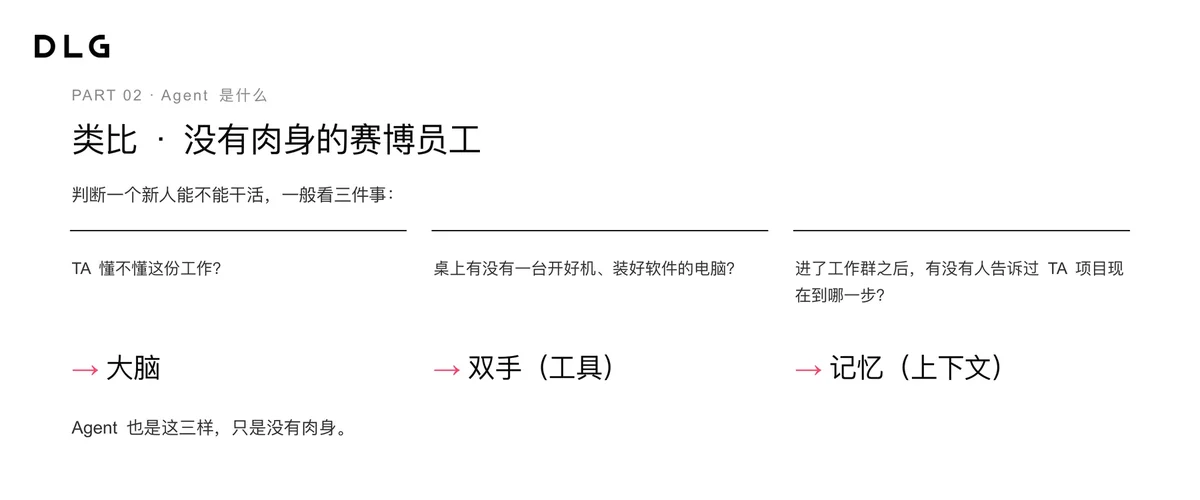
Company-wide AI adoptionfrom tool selection to training
DLG China · Jun 2026 – now
Claude Code · Tool evaluation · Curriculum
Sole owner: planning, tool evaluation, rollout, course design and delivery
Background
Leadership set a goal of company-wide AI adoption. An earlier attempt to drive it through a single SaaS tool had stalled for nearly a year, and staff still used AI mainly as a chat window, with little effect on day-to-day productivity.
Challenges
Most staff had no working concept of an agent and motivation varied widely; client data security was leadership’s first concern and a precondition for any proposal.
Solution
1Discovery: interviewed each team on current AI use and workflow pain points, and traced the stalled rollout to a gap in understanding: people did not know what work an agent could take on.
2Rollout strategy: replaced the top-down push of a single tool with a small pilot that produced repeatable examples, followed by a phased rollout to all staff.
3Tool evaluation: benchmarked MaaS platforms with data security as the primary criterion; wrote the evaluation report, secured leadership approval, and issued every employee an individual API key.
4Curriculum and teaching: designed a course around real business workflows and taught every session; iterated over several rounds of pilot feedback, breaking core concepts into progressive modules and opening with polished real-world demos to hold attention.
Impact
The company-wide course reaches 31 people across 12 cohorts; agents are now part of daily workflows, and several colleagues have built their own skills, such as a copywriter’s tool that collects competitors’ past copy and adapts its tone for her next draft.
Client report automationrevived a stalled project, built in two weeks
DLG China · Jun – Sep 2026
Claude Code · Skill · MCP · BigQuery · python-pptx
Sole owner: taking over and driving the project, data audit, solution design, development, cross-team coordination, training and rollout
Background
Account teams deliver a monthly social media report for every client, each taking about 35 hours from data pull to revisions. The project had failed to ship for nearly a year before I took it over.
Challenges
The company ran three databases, some built in-house and some licensed, with overlapping data but no connection between them, and most staff were unaware they existed; every client required a custom layout; the end users had no technical background.
Solution
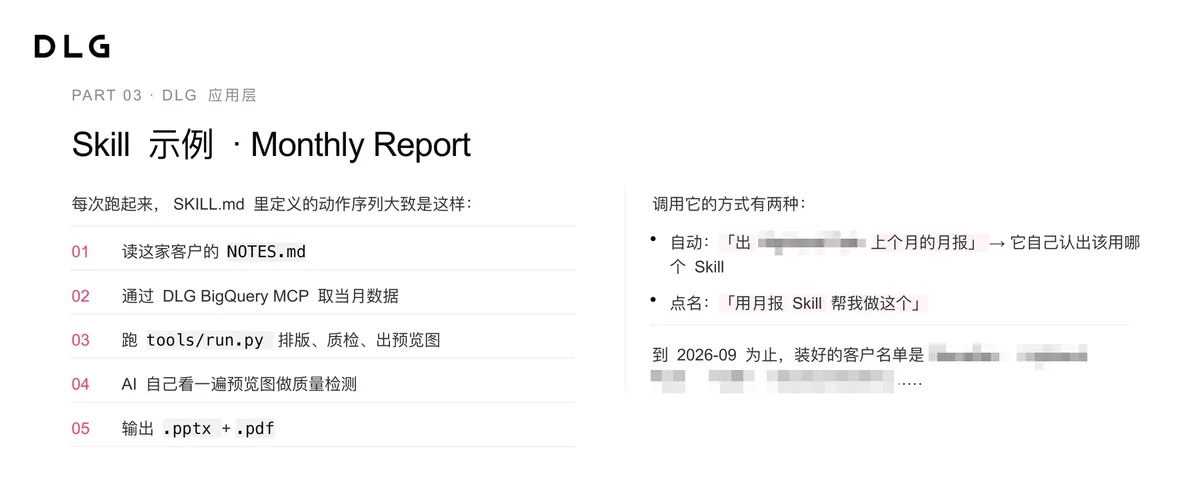
1Data audit: over one to two months, used AI to map the data assets account teams rely on and identify what needed regular refreshes, then worked with the data team to update them and consolidate access through a single Brand Knowledge MCP.
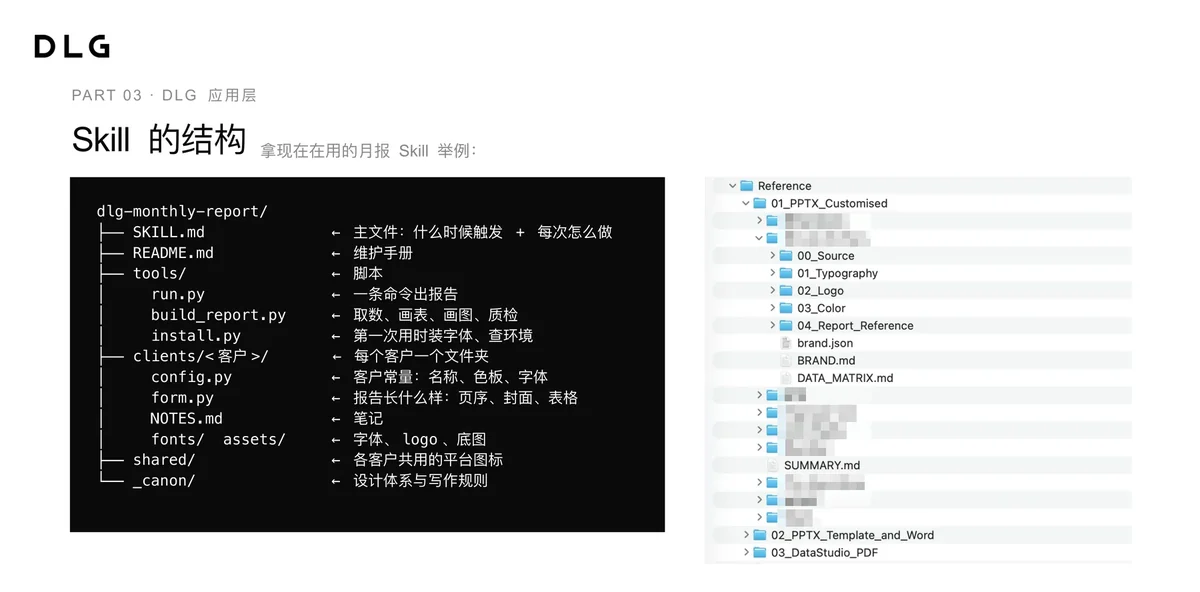
2Development: built the tool solo with Claude Code, from kickoff to working version in two weeks; an engine-plus-client-config architecture handles each custom layout, with automated QC on every output.
3Launch and rollout: delivered in parallel with the company-wide AI programme and launched at the end of September; trained the full account team, coached them through adoption, and handed day-to-day use over to the business.
Impact
A single instruction produces a pptx + pdf report, cutting each one from about 35 hours to 10–20 minutes; the tool covers more than ten clients in China and every current client’s monthly and quarterly reports; the three databases now sit behind one company-wide entry point.
GEO service line researchfrom market scan to monitoring method
DLG China · Jul 2026 – now
Role: early-stage technical research
Background
Generative AI is becoming a new way for people to learn about brands. DLG China began exploring a GEO service line in July 2026, and I am responsible for the early-stage research and method design.
Solution
1Market and academic research: mapped the offerings and pricing logic of GEO vendors in China, read and organised the GEO research literature, and compared the sources cited by Chinese AI platforms.
2Method design: designed a monitoring question bank and user personas organised by industry and decision stage, and set grading rules for the credibility of cited sources.
3Tooling: wrote data-collection scripts for an AI-answer monitoring platform, exporting each industry’s answers and cited sources as data ready for analysis.
Impact
Provided the technical groundwork for designing the GEO service line.
Sole owner: self-teaching and tool selection, requirements and PRDs, development, resourcing and rollout
Background
Otome games run on very large volumes of script, CG and music: proofreading and risk review of a million-character script took three to five writers and me two to three weeks per pass, chapter by chapter, and every CG needed an approved composition draft before it could be assigned.
Challenges
In early 2026 agents were not yet widespread and the company had no AI experience to draw on; hand-drawn art is the core asset of an otome game, so AI could only support the process.
Solution
1Self-taught from zero: learned agents alongside my project-management work, moving from chat-based AI to agent workflows, and handled requirements, PRDs and development myself.
2Scripts: built a fully automated proofreading pipeline in which Antigravity splits each script and feeds it into my own tool, which flags risks reviewers tend to miss and lists them by scene number, leaving every edit to the writers.
3CG and music: batch-generated composition references from character sheets, final designs and costume art for artists to redraw, so final art stays hand-drawn; for music, evaluated open-source models and switched to programmatic MIDI references.
4Securing resources: wrote the resource requests, with per-image cost estimates and usage controls, and obtained model accounts and access to project files.
Impact
Script review went from two to three weeks to one or two nights; CG pre-production moved from reference hunting and hand sketches to batch-generated composition references; the music references set the tonal direction for pre-production. On the strength of this work I moved from project management to AI engineering lead.
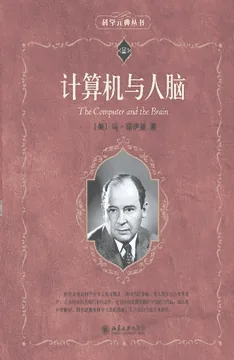
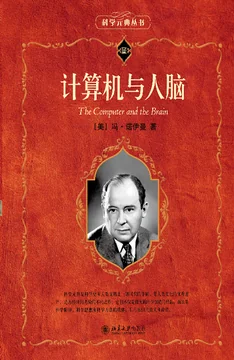
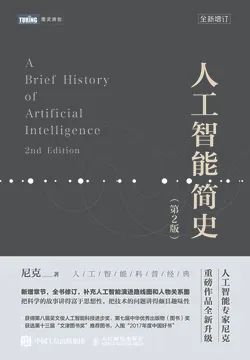
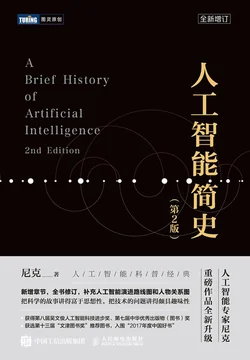
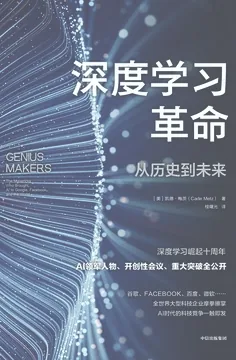
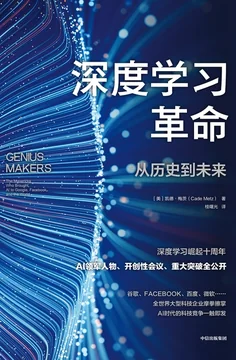
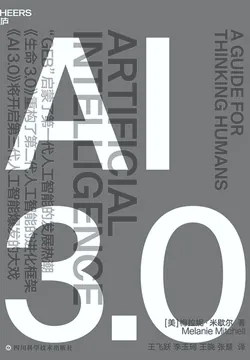
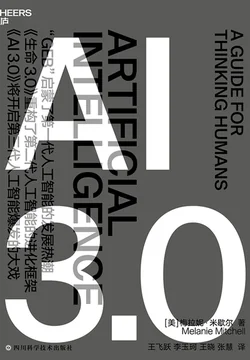
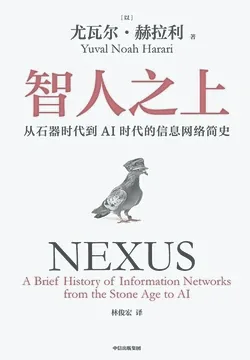
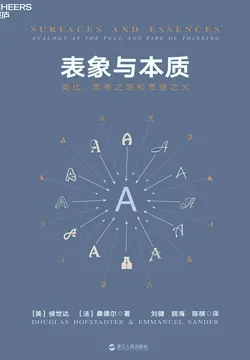
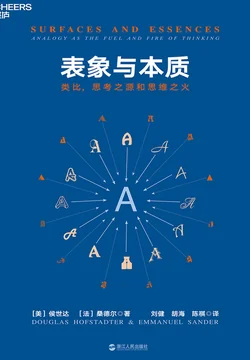
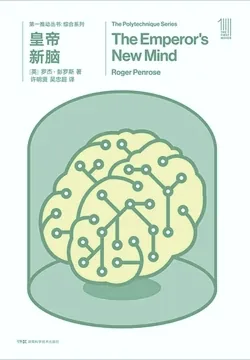
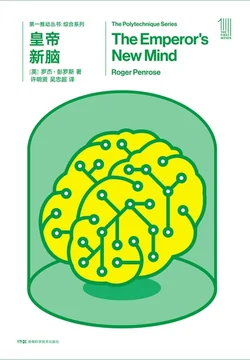
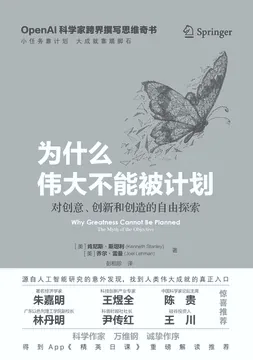
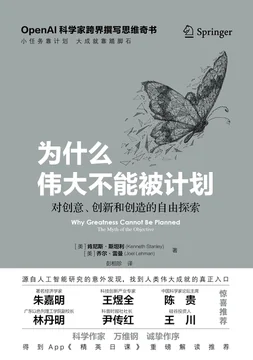
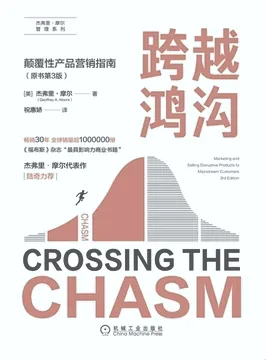
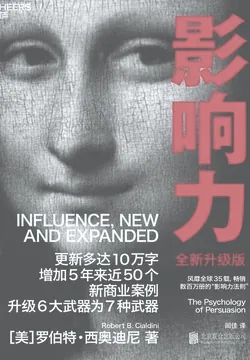
Information in the AI era arrives fast and in fragments, which is exactly why I make room for long-form input. Since moving from interaction design into applied AI and joining DLG, I have kept feeding myself systematic knowledge outside work, the way I learned before AI. This is my reading list.
Also reading the blogs of Mu Yao, Jason Wei, Geoffrey Litt, Linus Lee, Steph Ango, Paul Graham, Michael Nielsen and Nabeel Qureshi.